My Not-So-Simple Path to Wealth

And why I would (and still might) do it differently
A note to Pete (MMM) and JL Collins, should they ever stumble upon this site: I apologize for what you are about to read and the ensuing agita that comes with it.
PART ONE: The Mogul Years
Growing up I thought I was going to be a real estate mogul. Not skyscrapers. Think landlord who owns a bunch of properties and collects rent. Mogul just sounds a lot cooler than "a guy who owns some houses" though.
My Mom was obsessed with house listings. We're talking dial-up internet, printing out every listing she could find, stacking them on the kitchen table like she was building a case. So many printouts. Way too many printouts. Just how she rolls. But she taught us how to value properties, what all the different metrics meant, why some deals were steals and others were traps. It was interesting. It was relatable. And it was the first real moment I saw the world of business around me.
By the time I got my first job out of college I was already a self-declared expert in real estate valuation. I was researching markets everywhere I went, scanning for deals, convinced I was one good opportunity away from my empire. There was just one problem: I was broke. Entry level corporate money is not mogul money. But I got my foot in the door, survived a few painful years, landed a better job, and finally started actually saving something.
I was living with friends at the time, keeping expenses low, having a lot of fun. But the lease was ending and we were all hitting that stage of life where grown-up stuff was calling. And that's when I found it.
A foreclosure on a condo right next to where I worked downtown. Just over $100k. Low HOA. 725 square feet with big tall windows that looked out over the city like a snow globe at Christmas. Walk to work. Walk to the bars. Walk home for lunch. Needed some cosmetic updates but nothing major. I ran every number I knew how to run.
I bought it immediately.
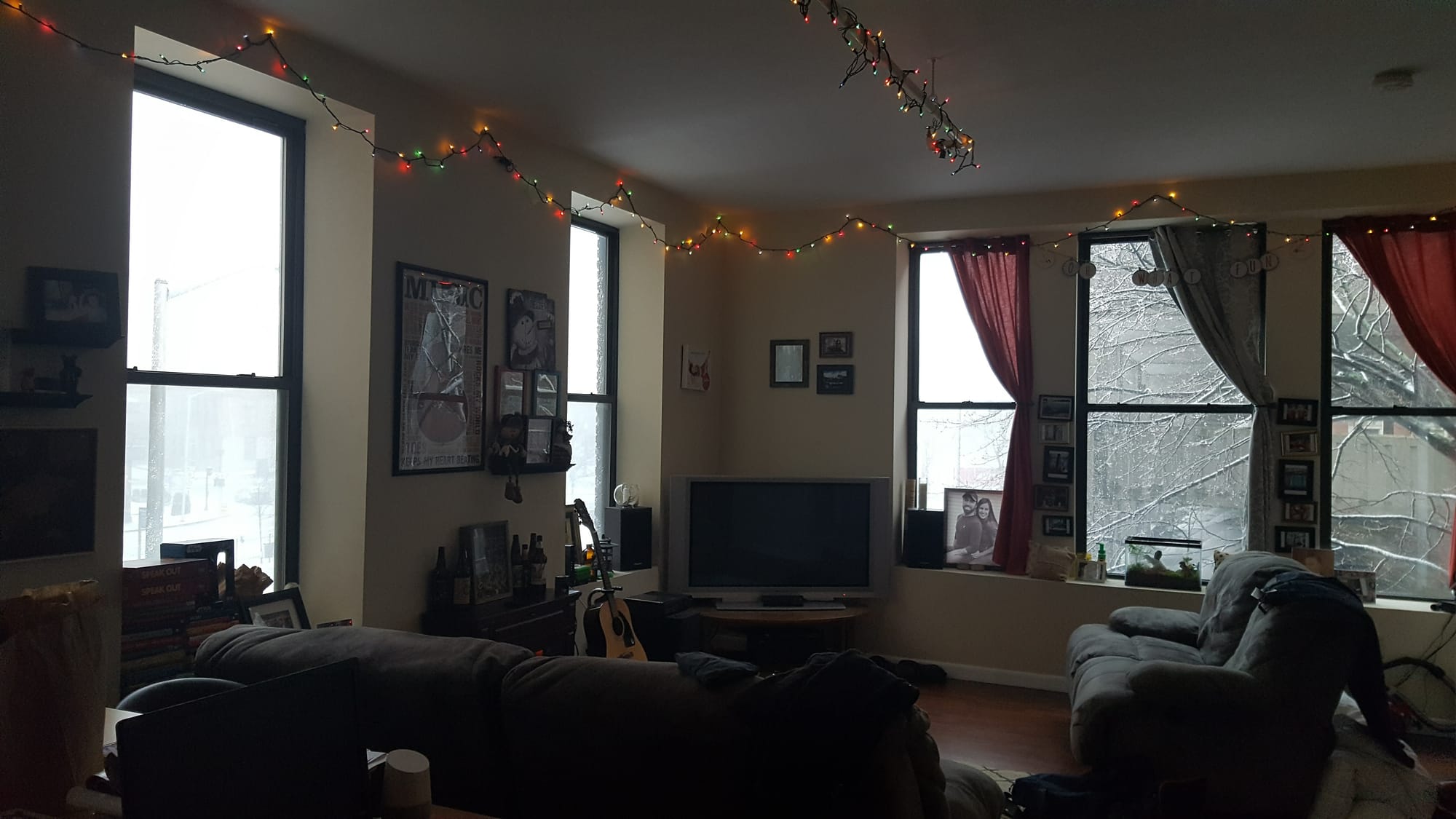
And it really was great. I felt like the mayor of the city. I started dreaming bigger, the way you do when something actually works. I'd rent it out when I was ready to settle down, make bank because I'd bought it as a foreclosure, and the city was going through a renaissance that would only push values higher. My girlfriend at the time (now wife — just fun to say I had a girlfriend) and I would use it as a weekend getaway someday. Or maybe one of our kids would live there and go to school in the city. So many options!
I should mention that this condo was on the second floor. And that there was a vacant commercial space directly below it when I bought it. It stayed vacant for a good while.
And then a bar moved in.
My first reaction, I swear, was excitement. I was going to be the guy upstairs! Like every great sitcom — Cheers, How I Met Your Mother — everyone was going to know my name. I had visions of stumbling downstairs in my pajamas on a Saturday morning to grab a Bloody Mary and shoot the breeze with the regulars. It was going to be great.
It was not great.
These people were loud. Not "haha the neighbors are having a party" loud. Dishes rattling in the cabinets at 2am loud. We stuck it out longer than we should have, mostly out of stubbornness, before finally admitting the dream was dead and moving out. We rented it instead. First tenants were a young couple, great people, no complaints. Easy year. I spent that whole year on BiggerPockets convinced I was about to find my next property and really get this empire rolling.
Then came the students.
They didn't want a full year lease. I worked out a deal where they'd stay two years but only pay for the months they were actually there. I thought I was being clever and flexible. I was not. I had no leverage and I knew it, and they knew it. When I wasn't fielding noise complaints from the bar, I was fielding texts from tenants about things I didn't care about and couldn't change. The dream of the weekend getaway, the future kid going to school in the city, the mayor of downtown — gone. All of it.
I sold it, took the cash, and started looking for another way.
PART TWO: How I Became a Crypto Millionaire
Unfortunately, How I Became a Crypto Millionaire is the title of a book I read. Not my story.
I bought that book because in 2017 I fell headfirst down the crypto rabbit hole. The bull market had just popped, social media was full of people making wild money, and I had to understand what was happening. I started with Bitcoin. Digital gold, they called it. But I wasn't even interested in real gold, so that didn't move me. And then I found Ethereum.
Smart contracts. Staking. Yield. These things actually made sense to me. I liked real estate because your asset appreciates over time and if you rent it out you get income on top of that. An appreciating asset that also generates yield — that was the whole game. Ethereum felt like the same thing, just without the tenants texting me at 11pm about the bar downstairs. What if I could be a digital landlord instead?
So when the bull market topped and crypto started cratering, I didn't panic (I hadn’t even invested yet). I just thought: what if it goes back up? I started learning as much as I could and buying small amounts every week, dollar cost averaging my way in as the price dropped, building a cost basis I felt good about. I understood index investing by this point and knew that buying lower on a long-term hold was a good deal. But index investing, while genuinely great, felt too slow. I was stubborn, I hated my job, and Ethereum felt like a chance to front-run the financial institutions. Like a once in a lifetime chance. They always had the upper hand. Not here. Not yet.
Over the next several years I watched my ETH holdings rise and fall in ways that would make a normal person physically ill. I had, as the kids say, diamond hands. I wouldn't sell no matter how far up I was. I have made and lost more money than I care to fully calculate, and it still stings a little to think about. But I was still maxing my 401k the whole time. If crypto went to zero, I'd still retire at 60 like a normal person. I just wanted to see if I could do something more interesting than that.
Here's a fun exercise: pull up the Ethereum price chart from 2025. I'd bet you can almost pinpoint the exact day I left corporate life. Because from the day I told my boss I was done, to the day I walked out the door for the last time, was almost exactly the peak of that bull cycle. I retired at the market top. Walked out with a big FU smile on my face and watched my net worth get cut in half in the months that followed.
Not a figure of speech. Literally a 50% drop.
Ouch.
Was I worried? No. Was I concerned for my family? No. Did I think I was going to have to go back to work? No.
Am I lying about all of these annoying questions I'm asking and answering myself? Yes.
I genuinely couldn't believe it. But I'd lived through cycles before. I had a year's worth of cash runway. I was still earning staking yield on my ETH. I had traditional investments as an anchor. And worst case, I'd make the most of however long this lasted and figure it out from there. When the market comes back — and I believe it will — I can promise you one thing: I will be taking significant profits and moving them somewhere far more boring. I'll pay a ton in taxes and I'll do it with a smile. The rest goes into a total market index fund, where it will sit quietly and mind its own business like an adult.
PART THREE: What I'd Do Differently
It's probably pretty clear where I went wrong. It's easy to buy. It's hard to sell. It's especially hard to sell when something is going up, and basically impossible when you're convinced it's going to keep going up forever. I rode it to heights I never expected and back down further than I'd like to admit. That's the crypto experience in one sentence.
But here's what that experience gave me that I didn't expect: I now deeply, viscerally, personally understand the appeal of completely boring index funds. You can practically set your retirement date on them. They're so large and so diversified that it takes a pandemic or an act of war to really move the needle, and even then they recover. There are so many structural protections built into the market that the old-school crashes just don't happen the same way anymore.
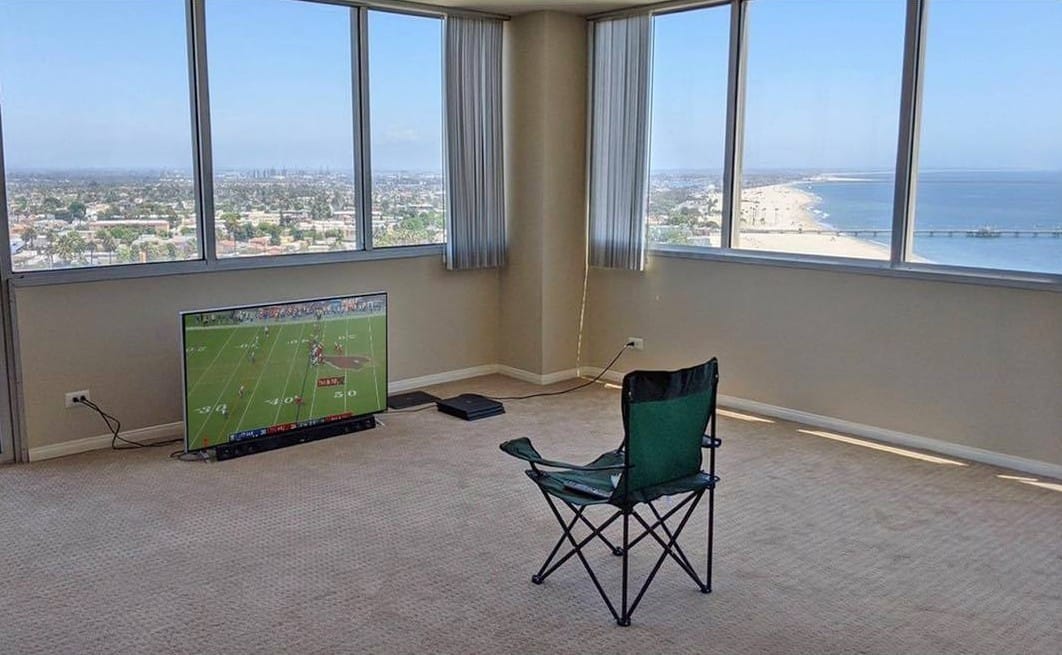
And I'll give crypto investors this much: after watching your net worth swing like a pendulum for years, you develop a stomach of steel. 30% drop? Barely blink. 50%? Okay, I'm listening. 75 to 95%? Time to buy more. Psychopaths, all of you. And I have happily been one of you. If I didn't have a wife and kids I'd be the meme guy in the one-bedroom apartment with the folding chair next to the TV on the floor, sleeping on an air mattress, holding ETH into the void. Happily.
But here's the thing about index funds that I didn't fully appreciate until I actually needed to start living off my investments: they're not just a great way to build wealth, they're a great way to take money out. If you have a cash buffer and index funds sitting in a taxable brokerage account you can access without penalty, you're basically set once you hit your number. Crypto is a great way to make money. It is a genuinely terrible way to take it.
I still believe in Ethereum. I'm an optimist. A technologist. The promise of it is legitimately intoxicating to someone wired the way I am. But I've made peace with the fact that I tend to think things will happen faster than they actually do. The market doesn't care about my optimism. And I think if I could go back, I would have sold more on the way up and fed a lot more of it into index funds along the way. Built that boring foundation earlier, instead of letting it ride.
I can practically hear JL Collins with those magnificent pipes of his: "smooth the ride."
Yeah yeah. I know, JL. I know.
If you ever want to reply, shoot me a note at whatsthewhyfi@gmail.com — I read everything.