The Default Life Script Is Expensive

Part 2 of 6
This is part of Financially Free Before Your College Degree, a series about money for people young enough to still get the full head start. The plan is for it to become a short book someday, the kind you hand a graduate instead of a card with $50 in it. For now, it’s free. Start at the beginning: the series page.
At my first corporate job, there was a guy who loved it there.
I need you to understand what “there” was. Gray cubicles. Fluorescent lighting. The kind of place where the walls, the carpet, and the coffee were all the same color. Pressure from above, accountability from all sides, personality from nowhere. Soul-sucking doesn’t quite cover it. The building itself seemed tired.
And this guy loved it. He was going to yes-man his way to the top, and to his credit, he did. Right line at the right meeting, promotion after promotion. Good for him. That part isn’t the story.
The story is what happened with each promotion.
It started with the BMW. Then came the golf clubs. He was not a golfer. Then the road bike, and I don’t mean a bike, I mean the serious kind, the one that comes with the goofy shorts with the butt-pad built in, the shoes that lock into the pedals, and apparently a duty to report your interval times to anyone within earshot like it’s quarterly earnings. His garage filled up, piece by piece, promotion by promotion, until it looked like a corporate lifestyle magazine had exploded onto his life.
Here’s what got me. None of it looked chosen. It looked assigned. Every new title came with new gear, like the company was dressing him for a character named Successful Guy. Most of it sat there unused. And I remember standing in front of all that stuff and thinking: those aren’t toys. Those are anchors. Every single one holding him right there, in the working waters, for another year, another promotion, another aisle of the catalog.
Meanwhile I was trying to swim for shore. The one with the beach volleyball and the drinks with the little umbrellas.
Nobody hands you the script. Everybody knows the lines.
Here’s the thing though. That guy wasn’t dumb. He was doing what he was supposed to do. That’s exactly what should scare you.
There’s a script. Nobody hands it to you, there’s no table read, but somehow everybody knows the lines. Graduate. Get the job. Get the car, a real one, you’re a professional now. Get your own place. Get the ring. Get the wedding. Get the house. Get the bigger car because now there’s a kid, get the bigger house because now there’s two. Work hard, retire at 65, enjoy the back nine if your back cooperates.
You never auditioned for this. You were cast at birth. And the script’s genius is that every line feels like your own idea, arriving right on cue, each one with a price tag and a deadline attached.
Don’t believe me? Two of the biggest scenes in the script were written by someone else, and we can name them.
The car scene: the average new car payment in America is now $770 a month, and nearly one in five new car loans runs over $1,000 a month. Here’s the part that should stop you cold: most of those thousand-dollar payments aren’t for luxury cars. They’re regular cars, financed by regular people, hitting their mark in a scene they never asked to be in.
The ring scene: you know the rule about spending a few months’ salary on an engagement ring? That’s not a tradition. That’s an ad campaign. A diamond company invented it in the 1930s. Before their marketing push, fewer than 10% of engagement rings even had a diamond in them. They wrote a line, slipped it into the script, and four generations have been performing it since, on one knee, holding a receipt.
That’s the script in a nutshell. You think it’s culture. It’s copy.
My scene
I’d love to tell you I saw through all of it. I did not.
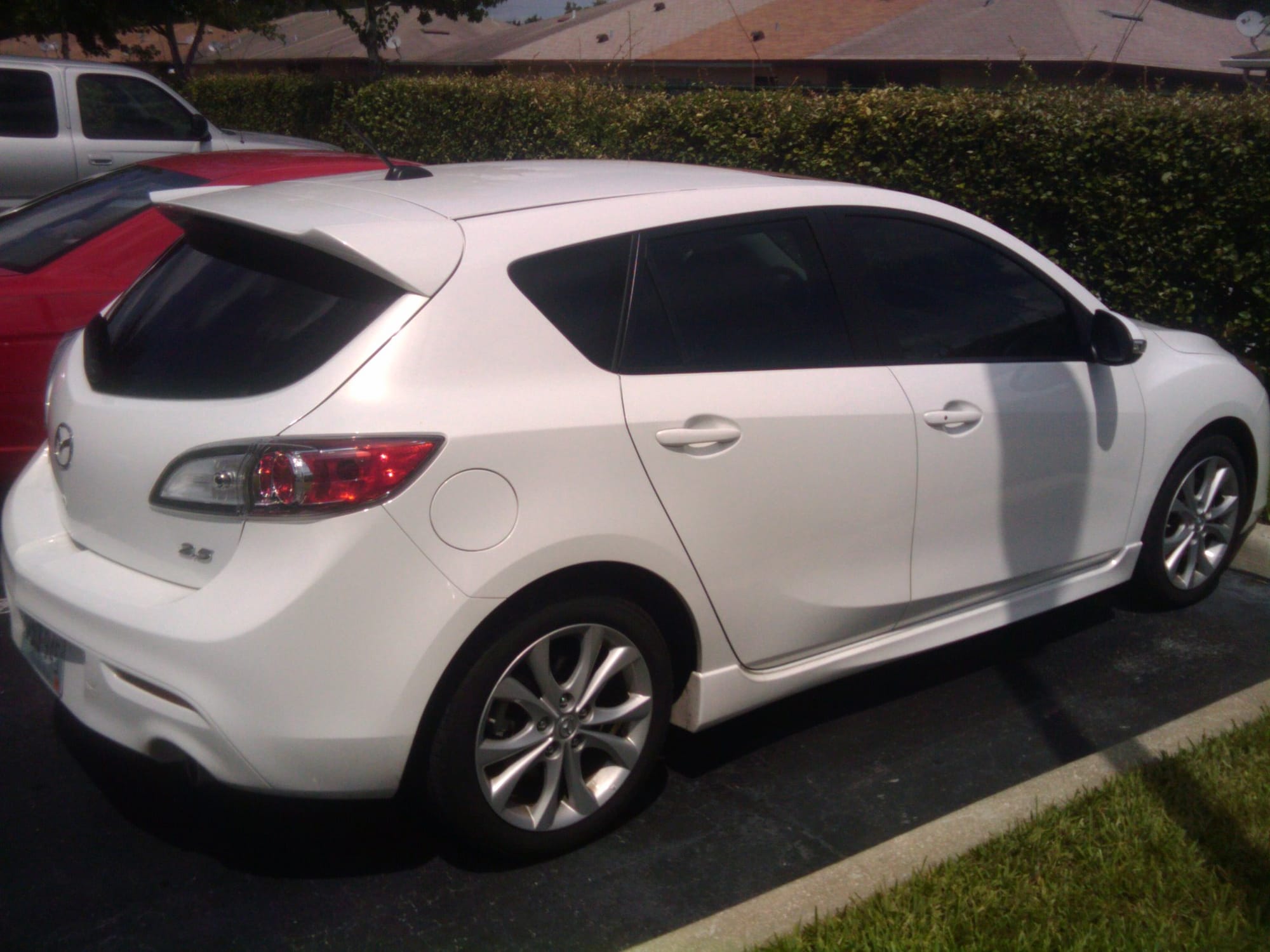
When my grandmother passed, she left some money for me and my brother, hoping it would help us buy our first cars. It did. But where a wiser man might have bought something used and quietly invested the rest, I bought a brand new Mazda 3 hatchback. Six-speed manual, fun to drive, barely fit four adults. I loved that car.
Run the math on what that money would be worth today in a boring index fund and my eye starts twitching. But fine, tuition paid, lesson available. Except the universe wasn’t done. Years later, somebody t-boned me and totaled it. The car was paid off, in perfect shape, ran like new. The insurance check was about $5k. Here’s what nobody tells you: insurance pays you what the market says your car is worth, never what it’s worth to you, and cars only get more expensive while you’re not looking. So I went from a paid-off car that ran perfectly to taking out a loan just to get back to a car of comparable quality.
The script got me twice on one vehicle. Once going in, once coming out.
The expensive part isn’t the money
Look, the script isn’t evil because it costs a lot. Weddings can be wonderful. Houses can be wonderful. Even a BMW is presumably wonderful, I wouldn’t know.
The script is expensive because you never check whether you want the scene before you pay for it. And every scene you play sets up the next one. The BMW introduces you to people with boats. The house near the golf course comes with a membership conversation. The lifestyle doesn’t just cost money, it generates sequels, and you’re contractually attached to all of them.
That’s what I saw in that garage. Not stuff. Sequels.
Here’s your advantage, and I mean this as literally as I can: you haven’t signed anything yet. No lease, no loan, no image to maintain. You are standing at the one point in your life where going off-script costs you nothing. Off-script doesn’t mean living in a van or skipping your best friend’s wedding. It means asking one question, every time a big purchase shows up right on cue: is this mine, or is it just my line?
Because the guy from my first job never asked. Maybe he’s happy. Maybe the bike computer says he’s improving.
See ya later, guy. Enjoy the stuff.